


Disclaimer
The information provided in this article is for general educational purposes only and is not intended to provide medical advice, diagnosis, treatment, or individualized healthcare recommendations. The information presented here should not be used as a substitute for advice from your doctor or other qualified professional who is familiar with your individual medical history and circumstances.
Medical Disclaimer: The information provided is for educational purposes only and is not intended as medical advice. These statements have not been evaluated by the Food and Drug Administration. Our products and content are not intended to diagnose, treat, cure, or prevent any disease.
What if the "fire" you feel after a meal isn't a sign of too much stomach acid, but actually a signal that you don't have enough? It sounds counterintuitive, but for many, especially perimenopausal and menopausal women, that heavy, "brick in the stomach" feeling and persistent bloating often stem from a lack of the very digestive juices we've been told to suppress. And as we are all being told that we "need more protein, it is important to understand that eating more is not enough. Our bodies have to adequately break down that protein so our body can digest and use it effectively. Understanding how to increase stomach acid naturally is often the missing piece of the puzzle for those struggling with brittle nails, thinning hair, or a sudden lack of energy that no amount of caffeine seems to fix.
We know how frustrating it is to feel like your body is working against you, especially when common advice leaves you feeling more confused than when you started. Discover why stomach acid is the master switch for your digestive health and learn evidence-based ways to support healthy levels naturally. We'll explore the science of the "Gatekeeper," look at the common signs of low levels, and provide a clear, safe protocol to help you regain your digestive rhythm and vitality.
Key Takeaways
- Understand why hydrochloric acid is your body's "Master Switch" for initiating the entire digestive cascade and acting as a primary defense system.
- Learn why modern life and natural physiological shifts after age 40 can lead to lower acid levels, making your digestion feel sluggish and heavy.
- Recognize the subtle physical cues, like post-meal heaviness or brittle nails, that suggest your body may need support with its natural acid production.
- Discover five evidence-based lifestyle adjustments, such as optimizing your "cephalic phase" and timing your water intake, to learn how to increase stomach acid naturally.
- Explore how targeted support with Betaine HCL and Pepsin can assist in breaking down proteins and promoting better nutrient absorption for improved energy.
The Gatekeeper of Health: Understanding the Role of Stomach Acid
Hydrochloric acid (HCL) is your stomach’s version of a high-stakes security guard. It doesn't just sit there; it initiates the entire digestive cascade. It’s the essential fluid that makes sure your meal actually becomes fuel rather than just a heavy weight in your midsection. When we talk about how to increase stomach acid, we're really talking about restoring the body's natural "Master Switch." This acidic environment is what tells the rest of your digestive organs to wake up and get to work.
Beyond breaking down that steak, HCL acts as a primary defense system. It’s designed to neutralize unwanted environmental microbes that might hitch a ride on your food. While many people are quick to reach for antacids at the first sign of a "burn," research suggests that a significant number of adults actually struggle with the opposite problem. The spectrum of Achlorhydria and hypochlorhydria—where acid is either absent or insufficient—is a common but often overlooked reason for digestive sluggishness. Many people find that their discomfort isn't from having too much acid, but from having so little that food sits and ferments instead of moving through.
The Digestive Cascade: How One Drop Changes Everything
The transition from your stomach to the small intestine is a tightly regulated chemical handoff. As food leaves the stomach, its low pH acts as a chemical signal. This acidity tells the pancreas to release a flood of digestive enzymes and signals the gallbladder to contract and release bile. If the stomach contents aren't acidic enough, the signal is weak, and the rest of the cascade stalls. This is why many people choose to support their system with targeted enzymes like HoloZyme® Digestive Enzymes to assist the body in managing this complex transition when natural signals are lagging.
Nutrient Absorption: Why Acid is Vital for B12 and Iron
Stomach acid is the key that unlocks the nutrients hidden in your food. It helps release minerals like zinc, magnesium, and calcium, transforming them into a form your body can actually use. When stomach function is compromised, vitamin B12 absorption can suffer. Adequate stomach acid helps release B12 from food, while Intrinsic Factor—a specialized protein produced by the stomach’s parietal cells—is required for B12 absorption in the small intestine. This is why low acid levels are so often linked to feelings of fatigue or brittle hair and nails. Without optimal acid levels, even the most nutrient-dense diet may leave the body craving more. Learning how to increase stomach acid is one of the most direct ways to support your energy levels and ensure your cells are getting the nourishment they need.
Why Stomach Acid Levels May Decline Over Time
As we navigate our 40s and 50s, our bodies undergo several subtle but significant physiological shifts. One of the most impactful is the gradual decline in the efficiency of the parietal cells, the specialized workers in the stomach lining responsible for churning out acid. Research suggests that between 10% and 30% of adults over the age of 60 may experience low stomach acid, often because the body’s natural production "machinery" begins to slow down. It is not just about getting older; it is about the body losing its ability to signal for the resources it needs to maintain a robust digestive environment.
Our modern, "always-on" lifestyle is another major contributor to this decline. Digestion is a high-energy process that requires a specific neurological state. When we eat while scrolling through emails, driving, or rushing between meetings, we effectively bypass the cephalic phase of digestion. This phase, triggered by the sight and smell of food, is responsible for a significant portion of our initial acid response. When we skip the ritual of eating, the stomach never gets the memo that food is on the way, leading many to search for ways on how to increase stomach acid to compensate for these missed signals.
The Stress Connection: Rest and Digest vs. Fight or Flight
The Vagus nerve acts as the primary communication highway between your brain and your digestive system. For the stomach to produce adequate acid, the body must be in a "parasympathetic" or "rest and digest" state. When chronic stress keeps us in a "fight or flight" mode, the body prioritizes survival over long-term functions like breaking down dinner. This neurological shift effectively turns off the signals to the parietal cells. Understanding the deep link between Nervous System Gut Health is essential for anyone looking to restore their digestive fire, as a calm mind is often the prerequisite for a functional stomach.
The Zinc-Acid Loop: A Critical Nutrient Connection
Zinc is the unsung hero of the HCL production process. It serves as a mandatory co-factor for the enzyme carbonic anhydrase, which the stomach uses to synthesize hydrochloric acid. Without sufficient zinc, the chemical reaction simply cannot occur. This often creates a frustrating cycle: you need stomach acid to ionize and absorb zinc from your food, but you need that same zinc to produce the acid in the first place. If you are exploring how to increase stomach acid, ensuring your mineral foundations are solid is a professional-level strategy. Some people choose to assist their body’s mineral balance with targeted support like Magnesium-HP™ to help maintain the broad nutrient profile required for these daily metabolic tasks.
Cultivating a mindful approach to mealtime and addressing these nutrient gaps can help shift the body back into a supportive digestive state. If you are ready to take the next step in your wellness journey, exploring a comprehensive approach to gut health can provide the clarity you need to feel your best again.
Identifying the Need for Digestive Acid Support
Learning how to increase stomach acid begins with a quiet, intentional observation of your body’s unique language. Instead of viewing digestive discomfort as a problem to be suppressed, think of it as a signal that your "gatekeeper" might need a little assistance. When acid levels are insufficient, the stomach cannot efficiently churn food into chyme. This leads to the unmistakable sensation of post-meal heaviness, where it feels as though a "brick" is sitting in your midsection long after you've finished eating. This heaviness is a primary red flag that your body is struggling with protein maldigestion.
Low acid levels also impact your healthy gut transit time. When the stomach doesn't reach the correct acidity, it delays emptying its contents into the small intestine. This sluggishness can ripple through the entire system, leading to a feeling of being "backed up" or generally stagnant. By adopting the mindset of a "Wise Practitioner," you can learn to listen to these cues without fear, using them as data points to help you decide when to implement supportive strategies.
Common Signs Your Stomach Acid May Need Assistance
While everyone’s experience is different, there are several common sensory experiences that suggest your parietal cells could use some support. You might notice:
- Early Bloating: Feeling significantly bloated or "full" within 30 minutes of starting a meal.
- Protein Aversion: A subconscious desire to avoid steak, salmon, or other dense proteins because they feel too difficult to digest.
- Structural Signs: Brittle hair, peeling nails, or thinning hair, which often indicate that the body isn't ionizing the minerals required for growth and repair.
The Baking Soda Observation: A Simple Home Check
One way to gather more data is through a simple morning observation using common baking soda. This check relies on a basic chemical reaction: when the bicarbonate (baking soda) hits the hydrochloric acid in your stomach, it produces carbon dioxide gas (CO2). The production of this gas typically results in a burp. If you are curious about how to increase stomach acid, this can be a helpful starting point to see how your body responds.
To perform this observation, follow these steps:
- First thing in the morning, before eating or drinking anything else, mix 1/4 teaspoon of baking soda into 4 to 6 ounces of cold water.
- Drink the solution on an empty stomach.
- Time how long it takes for you to burp.
Some practitioners suggest that a burp within three minutes indicates a robust acid response, while taking longer than five minutes may suggest your levels are lower than optimal. It is vital to remember that this is a simple observation and not a medical diagnosis. If the results suggest a need for support, some people choose to assist their natural environment with a comprehensive formula like HCL Guard™, which provides the necessary components to support the stomach's acidic environment and promote smoother digestion.
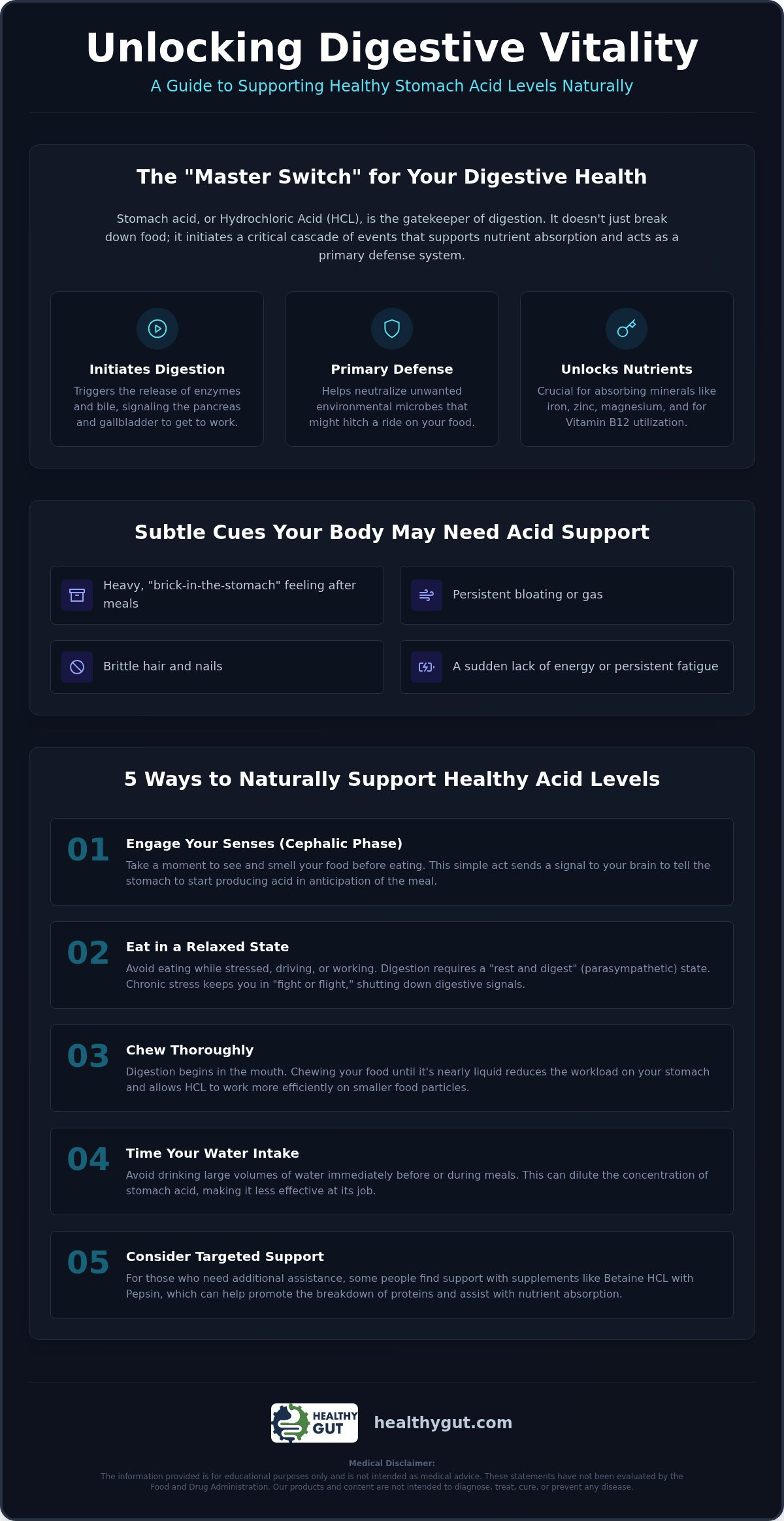
5 Science-Backed Strategies to Support Healthy Acid Levels
Supporting your body’s natural acid production is as much about your environment as it is about what’s on your plate. If you’ve been wondering how to increase stomach acid, the first step is signaling to your nervous system that it’s safe to eat. This process begins with the cephalic phase, where the mere sight and smell of food prepare your stomach for the work ahead. When we eat in a rush, we skip this vital preparation, leaving the stomach "cold" when the food arrives.
One of the most overlooked habits is the "Liquid Timing" rule. While staying hydrated is essential, drinking a large glass of water during a meal can dilute the concentration of your gastric juices. To maintain a robust environment, try to limit your liquid intake to small sips during the meal, saving the larger glasses for at least 30 minutes before or after you eat.
Optimize Your Eating Environment
Before your first bite, take five deep belly breaths. This simple act shifts your body from the sympathetic "fight or flight" mode into the parasympathetic "rest and digest" state. This shift is a prerequisite for your parietal cells to release acid. Additionally, focus on chewing each bite 20 to 30 times. This mechanical breakdown reduces the workload on your stomach, allowing the acid you do have to work more efficiently. Digestion begins in the mind and the mouth, long before food reaches the stomach.
Leverage Natural Digestive Stimulants
You can also utilize natural acids and bitter flavors to prime the pump. Taking one tablespoon of raw apple cider vinegar (ACV) or fresh lemon juice in two ounces of water 15 minutes before eating can support the stomach's pH. Bitter receptors on the tongue, when stimulated by foods like arugula or radicchio, send signals to the brain to increase the production of all digestive juices. Ginger is another powerful ally; some studies suggest it promotes healthy gastric motility, which helps prevent that heavy, stagnant feeling after a meal.
Targeted Supplementation: The Role of HCL and Pepsin
While lifestyle adjustments and mindful eating provide a vital foundation, sometimes the body requires a more direct assist to restore its natural balance. When the parietal cells aren't producing enough hydrochloric acid on their own, the most effective way to address how to increase stomach acid is often through targeted supplementation. Betaine hydrochloride (HCL) is the standard supplemental form of the acid your stomach naturally creates. It acts as a temporary surrogate, lowering the pH of the stomach to the levels required for the "Master Switch" to function correctly.
However, acid is only one half of the digestive equation. For the breakdown of dense proteins, HCL must be paired with Pepsin. Pepsin is the primary enzyme responsible for cleaving protein chains into smaller peptides, but it can only become active in a highly acidic environment. Without this pairing, even a high-acid environment won't fully assist with protein maldigestion. For women over 40, it's also important to consider Intrinsic Factor. This specialized protein is produced alongside stomach acid and is mandatory for the absorption of Vitamin B12. As acid production declines, Intrinsic Factor often follows suit, which is why many people find that a comprehensive Digestive Support protocol is necessary for maintaining their energy and vitality.
HCL Guard™: A Comprehensive Approach to Acid Balance
Rather than just providing isolated acid, a sophisticated approach looks at the health of the entire stomach environment. Some people choose to support their system with HCL Guard™, a multi-ingredient formula designed for this specific purpose. It provides Betaine HCL and Pepsin, but it also includes Intrinsic Factor to assist with B12 support. To ensure the stomach lining remains comfortable, it features ginger and deglycyrrhizinated licorice (DGL), which promote a healthy inflammatory response in the gut and assist in maintaining a robust mucosal barrier.
The HCL Challenge: Finding Your Unique Level
Because every body is different, finding your specific need requires a methodical, "Wise Practitioner" approach. This is often called the HCL Challenge. It involves a gradual step-up process to determine exactly how much support your stomach requires at its current stage. You can follow these general steps:
- Start with one capsule of HCL with a protein-heavy meal (at least 15-20 grams of protein).
- Observe how you feel. If you experience no change, increase to two capsules at your next protein-rich meal.
- The "stop sign" is a gentle sensation of warmth in the stomach. This warmth indicates you have reached your body's current threshold, and you should drop back down to the previous dose.
This personalized method ensures you are providing exactly what your body needs without over-relying on external support. For those who are ready for a more structured journey toward digestive clarity, the Total Gut Reset provides a clear, science-backed protocol to follow as you reclaim your digestive fire and overall well-being.
Reclaiming Your Digestive Fire and Vitality
Your digestive health doesn't have to be a source of constant mystery or discomfort. By understanding that stomach acid is the essential master switch for your entire system, you can move from managing symptoms to actively supporting your body's natural rhythms. We've explored how mindful mealtime rituals and learning how to increase stomach acid through targeted habits can shift your body back into a restorative "rest and digest" state.
When lifestyle shifts aren't enough, professional-grade support can provide the missing piece. HCL Guard™ was formulated by health engineers to assist your stomach's natural environment with a precise blend of Betaine HCL, Pepsin, and Intrinsic Factor for B12 support. It’s a comprehensive way to ensure your "gatekeeper" is functioning at its best, and it comes with the peace of mind of a 60-day money-back guarantee.
Support your digestive gatekeeper with HCL Guard™
You deserve to enjoy your favorite meals and feel energized by the nutrients you consume. Taking these intentional steps today is an investment in your long-term vitality and your ability to stay connected to the life you love.
Frequently Asked Questions
Can I take HCL supplements if I have a history of ulcers?
If you have a history of ulcers or are currently taking certain medications, it's vital to speak with your doctor before adding HCL. Adding acid to an already compromised or thinned stomach lining can lead to significant discomfort. Some people choose to first focus on supporting the mucosal barrier with ingredients like DGL or ginger, found in HCL Guard™, before introducing supplemental acid to their digestive routine.
How long does it take to see results from increasing stomach acid?
Many people notice a distinct difference in post-meal heaviness and bloating within the very first meal of using a supportive protocol. However, the secondary signs of low acid, such as brittle nails or hair thinning, typically take longer to shift. Because these tissues grow slowly, you might need to maintain consistent support for three to six months before you see a visible improvement in your nutrient absorption and energy levels.
Is it possible to have too much stomach acid?
While it's possible to have hyperchlorhydria, evidence suggests that low acid is much more common, especially in women over 40. Many people spend years using antacids only to find their symptoms persist. This is often because the burning sensation can actually be caused by food fermenting due to a lack of acid. Understanding your body's specific signals is the first step toward finding lasting relief and balance.
What is the best time of day to take acid-supporting supplements?
The optimal time to take acid-supporting supplements like HCL Guard™ is during or immediately after a meal that contains protein. Taking it mid-meal mimics your body's natural release of hydrochloric acid as you eat. It's best to avoid taking HCL on an empty stomach or with a snack that only contains carbohydrates, as the acid needs food to work on to prevent a warm or burning sensation.
Can low stomach acid cause bloating and gas?
Yes, low stomach acid is a frequent driver of bloating and gas. When there isn't enough acid to break down food effectively, it lingers in the stomach and begins to ferment. This fermentation releases gases that lead to that uncomfortable, inflated feeling. Discovering how to increase stomach acid helps ensure that food is properly processed and moved into the small intestine before it has a chance to cause trouble.
Does apple cider vinegar actually help increase stomach acid?
Apple cider vinegar acts as a gentle acidifier that can help lower the pH of the stomach environment before you eat. While it doesn't provide the same strength as hydrochloric acid, it can "prime the pump" and signal your body to begin its own digestive response. Many women find that a tablespoon of ACV in water 15 minutes before a meal provides a helpful, natural bridge to better digestion.
Are there specific foods that naturally boost HCL production?
While few foods contain hydrochloric acid, several can stimulate your body to produce more of its own. Bitter greens like arugula, kale, and dandelion greens are excellent for activating the bitter receptors on your tongue, which triggers the digestive cascade. Additionally, zinc-rich foods like pumpkin seeds and oysters provide the essential minerals your parietal cells need to manufacture acid. Ginger and celery juice are also popular choices for promoting healthy gastric motility.
How does stress specifically stop my stomach from making acid?
Stress triggers the sympathetic nervous system, which prioritizes immediate survival over long-term functions like digestion. This state inhibits the Vagus nerve, the primary highway that tells your stomach to release hydrochloric acid. When you're in "fight or flight" mode, your body literally turns off the pumps. This is why taking a few deep breaths before your first bite is one of the most effective, science-backed ways to support your natural acid production.